Contact Lens Habits That Put Your Eyes at Risk
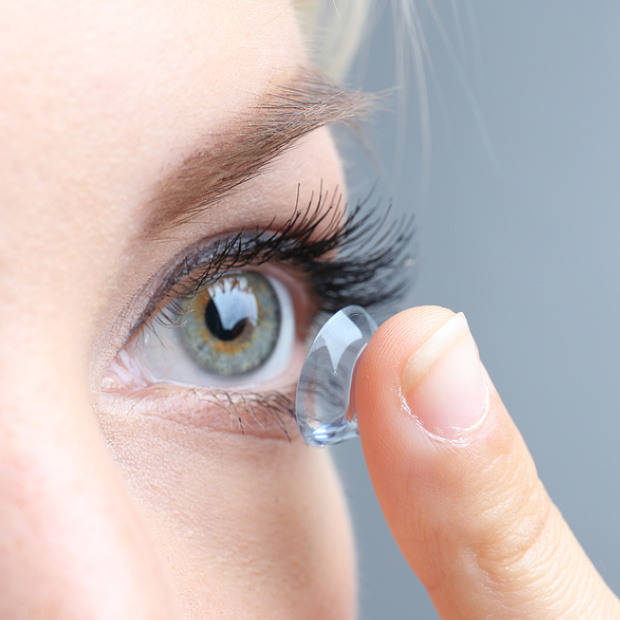
A few common shortcuts carry more risk than most wearers realize
Contact lenses are safe when used as directed. The problems almost always come from small habits that build up over time.
Here are the ones worth breaking.
Sleeping in Lenses That Weren’t Meant for It
Your cornea gets much of its oxygen directly from the air. A lens left in overnight reduces that supply, and the risk of a serious infection rises significantly.
Some lenses are specifically approved for overnight wear. Unless yours were prescribed that way, take them out.
Letting Lenses Touch Water
Tap water, showers, pools, and lakes all carry microorganisms that do not belong anywhere near your eyes.
One of them can cause a rare but severe corneal infection that is difficult to treat. Never rinse or store lenses in water, and remove them before swimming or showering.
Topping Off Solution Instead of Replacing It
Adding fresh solution to what is already in the case dilutes its ability to disinfect.
Empty the case completely each time, refill it with fresh solution, and let the case air dry face down. Replace the case itself every few months.
Stretching the Replacement Schedule
Wearing a two-week lens for a month, or a daily lens for several days, is one of the most common habits in contact lens wear.
Deposits build up on the lens surface over time, which reduces comfort and oxygen flow while raising infection risk. The schedule exists for a reason.
Pushing Through Redness or Discomfort
A lens should not hurt. Redness, light sensitivity, blurred vision, or persistent irritation are signals to remove the lens and leave it out.
If symptoms continue after removal, that is worth having examined rather than waiting to see if it clears on its own.
Small Habits That Help
- Wash and dry your hands before handling lenses
- Insert lenses before applying makeup and remove them before taking it off
- Keep a current pair of glasses available
- Keep up with annual contact lens evaluations
Keep Wearing Them Comfortably
Most contact lens problems are preventable, and many are fixable with a different lens or a small change in routine.
If your lenses have not felt right lately, book an appointment at [practice_name].