Your Next Eye Exam: Here’s What to Expect
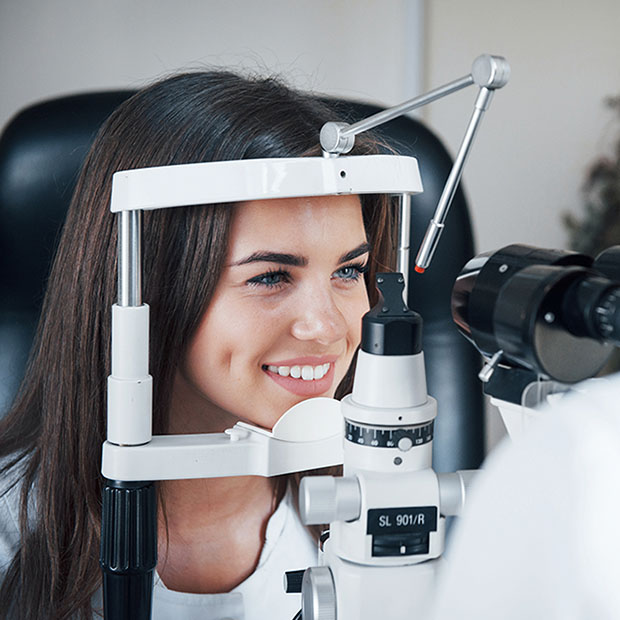
Scheduling an eye exam can feel like a low priority, especially if your vision seems fine.
But routine eye exams are about much more than updating your glasses prescription. They give your eye doctor a chance to detect early signs of conditions like glaucoma, cataracts, and even diabetes, often before you notice any symptoms at all. If it has been a while since your last visit, here is a look at what you can expect from start to finish.
Before You Arrive
A little preparation goes a long way. Bring any glasses or contact lenses you currently wear, along with a list of medications you take. Eye drops, allergy medications, and blood pressure drugs can all affect your eyes. It is also helpful to jot down any concerns in advance, whether that is frequent headaches, blurry vision at night, or difficulty reading small print. Your doctor will want to hear about all of it.
The Preliminary Tests
Once you check in, a technician will typically run a series of quick baseline tests before the doctor comes in. These may include:
- Visual acuity testing: The classic letter chart. You will cover one eye at a time and read lines of decreasing size to measure how sharp your vision is at various distances.
- Eye pressure measurement: A small puff of air (or a gentle probe) measures the pressure inside your eye. Elevated pressure can be an early indicator of glaucoma.
- Color vision screening: A simple test using number patterns hidden within colored dots, used to check for color blindness.
The Main Examination
This is where your optometrist takes over. They will use a bright light and magnifying lens to examine the front of your eye, including the cornea, iris, and lens. Then they will dilate your pupils using eye drops. Dilation allows the doctor to see the retina, optic nerve, and blood vessels at the back of the eye. Your vision will be blurry and sensitive to light for a few hours afterward, so plan to have someone drive you home or bring sunglasses.
Your doctor will also perform a refraction test to fine-tune your prescription. You will look through a device called a phoropter and answer a series of “which is better, one or two?” questions. This process zeroes in on the exact lens correction your eyes need.
Reviewing Your Results
After the exam, your doctor will walk you through the findings. If a new prescription is needed, they will explain the changes. If any concerns came up, such as early signs of macular degeneration or dry eye, they will discuss treatment options and next steps. This is a great time to ask questions. No concern is too small.
How Often Should You Come In?
For most adults, an eye exam every one to two years is recommended. If you wear contacts, have a family history of eye disease, or manage conditions like diabetes or high blood pressure, annual visits are a better choice. Children should have their first exam before starting school, since vision problems can affect learning. Taking care of your eyes is one of the most important things you can do for your long-term health.